
July 24, 2023
Sleep Drugs and Anesthesia
Postoperative sleep disturbances like insomnia, hypersomnia, narcolepsy, altered sleep patterns and frequent awakening may be triggered by the use of
Read More →
For Informational Purposes Only
The articles below are provided for general educational purposes only and are not a substitute for professional medical advice. Please read our full medical disclaimer before relying on any information found here.
Postoperative sleep disturbances like insomnia, hypersomnia, narcolepsy, altered sleep patterns and frequent awakening may be triggered by the use of
Read More →
Epidural anesthesia is a useful and widespread technique to provide pain relief. It is safe and effective, but complications are still possible. A par
Read More →
Postoperative patient care is just as critical as intraoperative patient care. The incidence of accidents following anesthesia is not infrequent and m
Read More →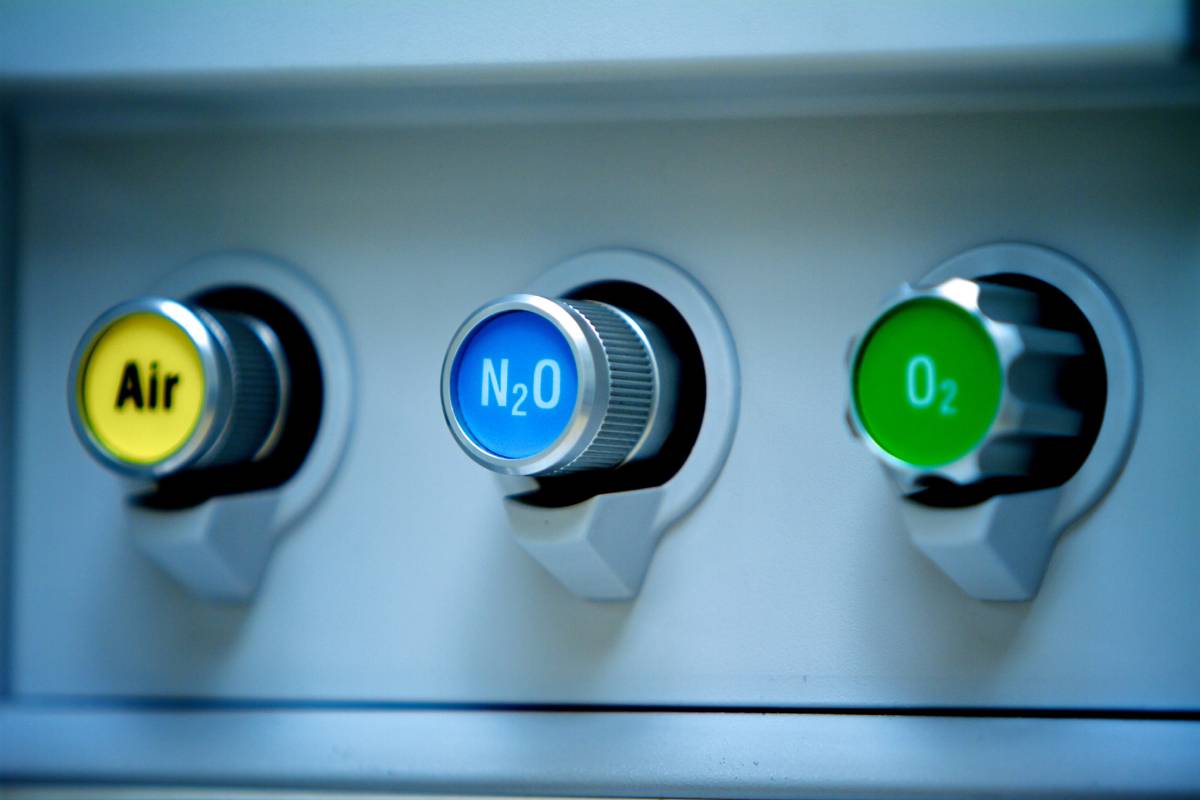
Nitrous oxide (N2O) is a colorless gas with sedative and analgesic properties. It was first discovered in 1772 by English scientist Joseph Priestley,
Read More →
Patents play a key role in medical innovation. In the healthcare field, patents cover intellectual property in medicine, including medications, device
Read More →
Zinc is a critical microelement required for various vital biological activities due to its role as a transition metal, cofactor, structural component
Read More →
Propofol, also known as Diprivan, is a commonly administered intravenous anesthetic with a rapid onset and short duration of action. Since 1986, propo
Read More →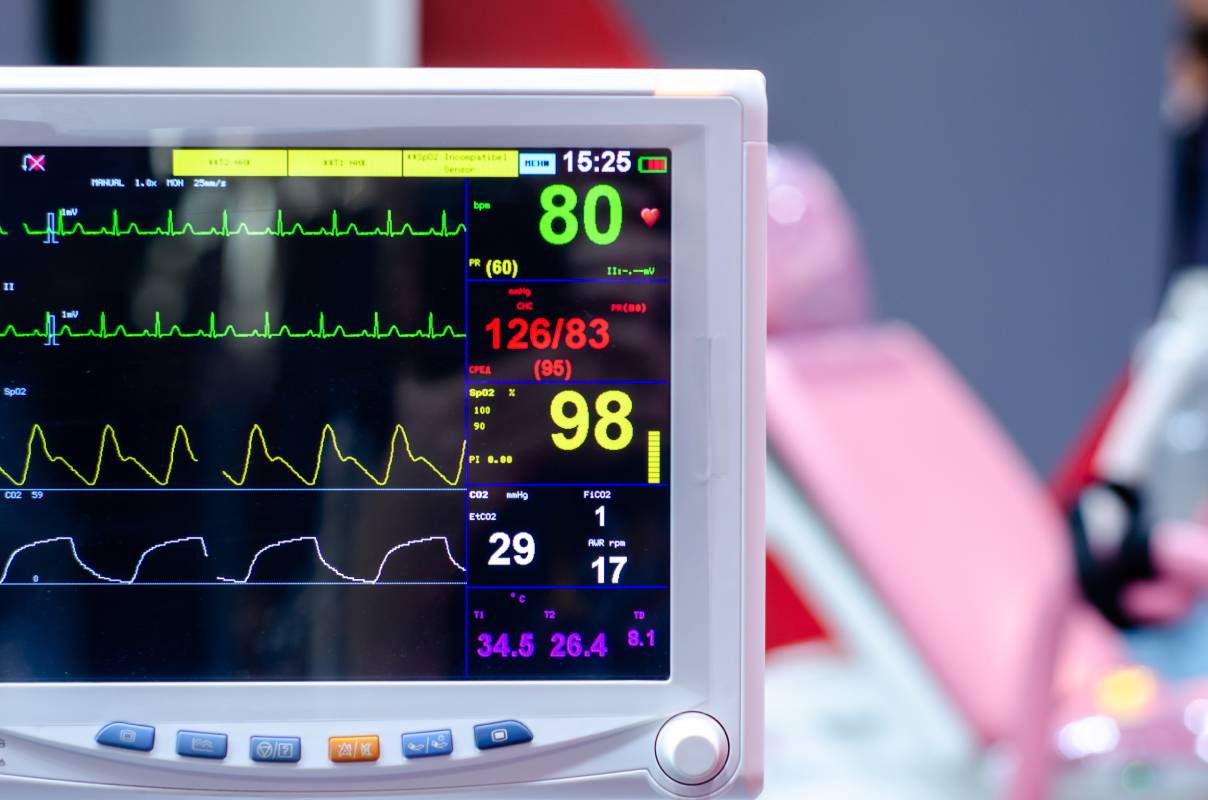
The American Society of Anesthesiologists standards for basic anesthesia monitoring include measurements of patient oxygenation, ventilation, circulat
Read More →
In the past two decades, novel imaging and catheterization technologies have greatly expanded the use of cardiac catheterization in children with hear
Read More →