
October 06, 2025
Types of Blades for Direct Laryngoscopy
Direct laryngoscopy refers to a technique whereby the operator uses a blade, under direct visualization as opposed to through a camera lens (i.e., ind
Read More →
For Informational Purposes Only
The articles below are provided for general educational purposes only and are not a substitute for professional medical advice. Please read our full medical disclaimer before relying on any information found here.
Direct laryngoscopy refers to a technique whereby the operator uses a blade, under direct visualization as opposed to through a camera lens (i.e., ind
Read More →
Postoperative shivering, also referred to as postanesthetic shivering, is often cited as one of the leading discomforts for patients following general
Read More →
Effective management of intraoperative hypotension is essential to maintaining organ perfusion and patient stability, especially in high-risk populati
Read More →
Post-anesthesia care for patients with obstructive sleep apnea (OSA) presents unique challenges due to an elevated risk of respiratory complications a
Read More →
Medications go through extensive testing and regulatory review before reaching consumers, but no system is perfect. Occasionally, after a drug has ent
Read More →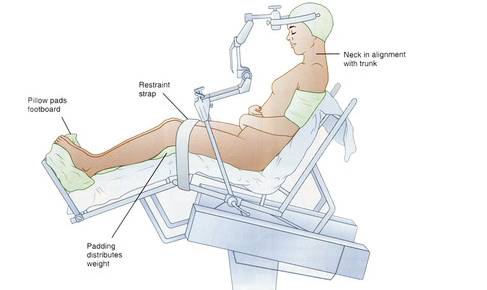
Anesthesia for surgery performed in the sitting position presents unique challenges and considerations for anesthesiologists due to the physiological
Read More →
Nonsteroidal anti-inflammatory drugs (NSAIDs) play an important role in postoperative pain management, but their effect on postoperative delirium is t
Read More →
General anesthesia involves the use of anesthetic agents to suppress the central nervous system, causing amnesia, analgesia, unconsciousness, and loss
Read More →
The introduction of artificial intelligence (AI) is transforming many fields, with surgery and clinical practice being an exciting application area. M
Read More →