
January 27, 2025
Characteristics of Induced Amnesia for Surgery
General anesthesia involves the use of anesthetic agents to suppress the central nervous system, causing amnesia, analgesia, unconsciousness, and loss
Read More →
For Informational Purposes Only
The articles below are provided for general educational purposes only and are not a substitute for professional medical advice. Please read our full medical disclaimer before relying on any information found here.
General anesthesia involves the use of anesthetic agents to suppress the central nervous system, causing amnesia, analgesia, unconsciousness, and loss
Read More →
The introduction of artificial intelligence (AI) is transforming many fields, with surgery and clinical practice being an exciting application area. M
Read More →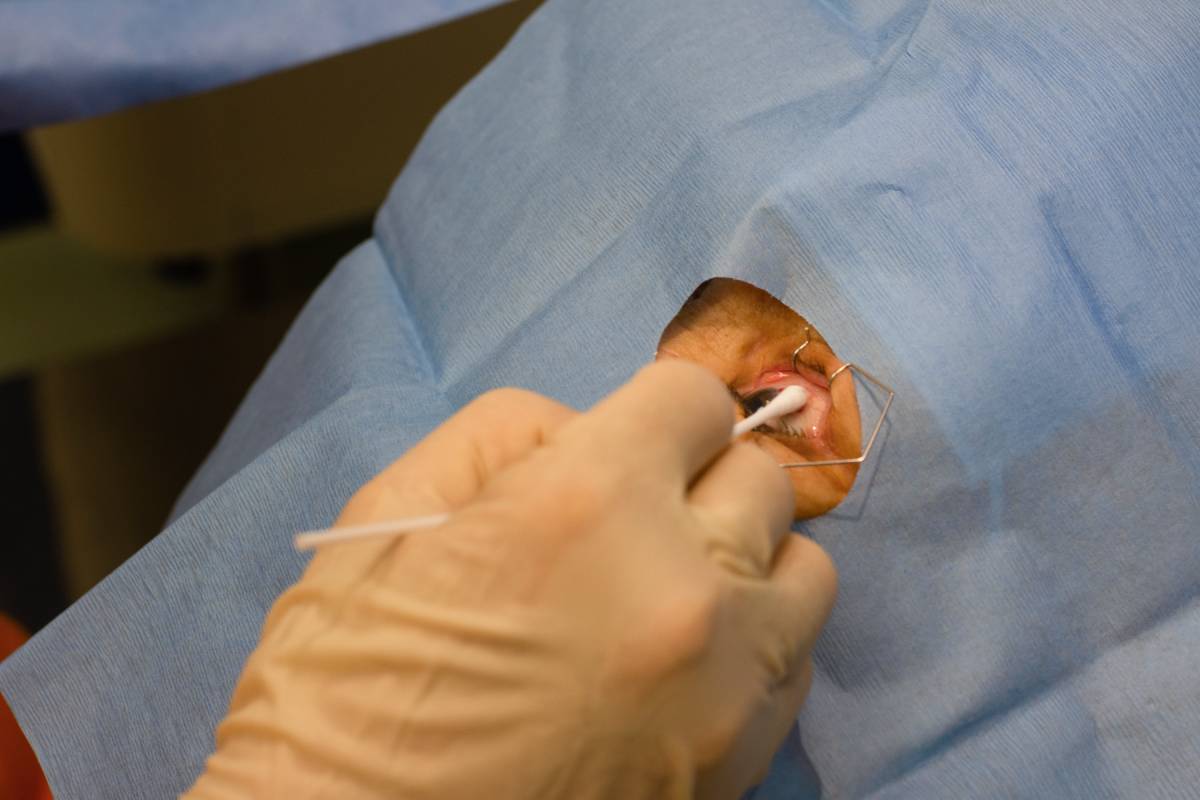
Intravitreal injections, used to treat certain retinal diseases like age-related macular degeneration and diabetic retinopathy, require effective anes
Read More →
Volatile anesthetics such as sevoflurane, isoflurane, and desflurane are essential agents used into modern surgical anesthesia. Due to their unique pr
Read More →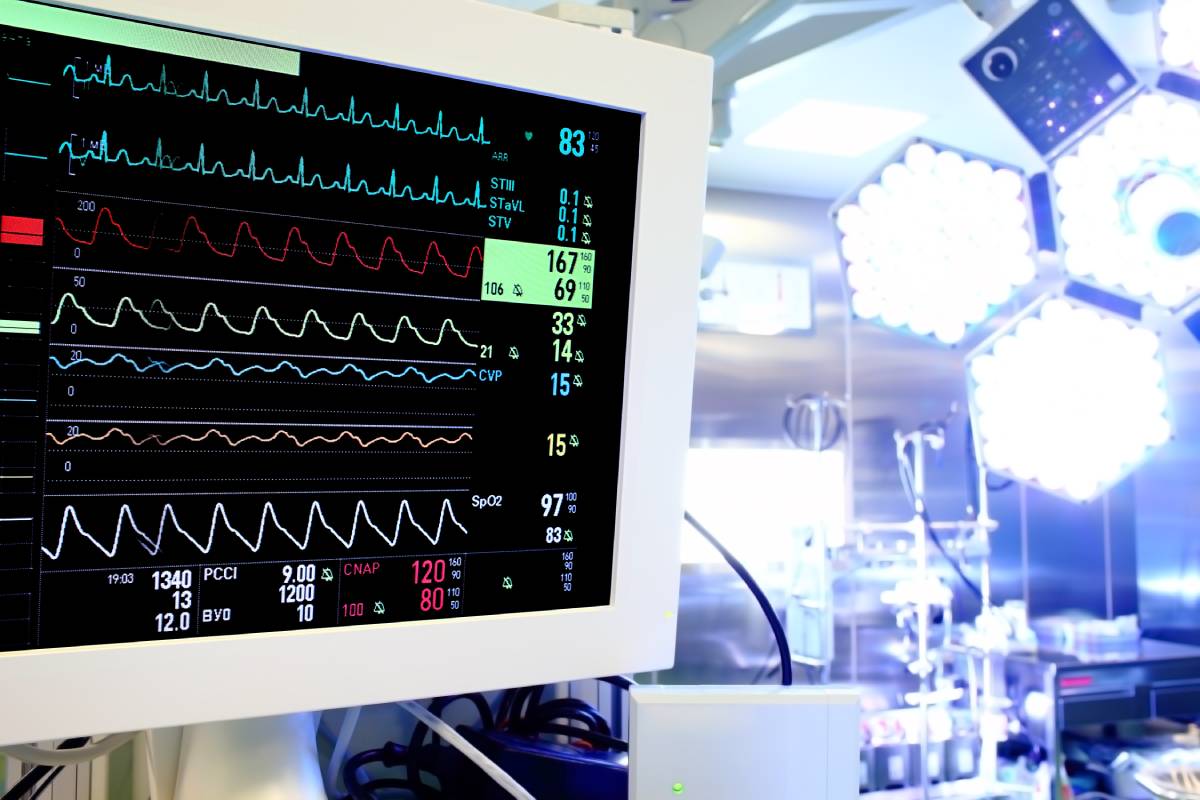
Mean arterial pressure (MAP) is a physiological parameter representing the average pressure in a patient’s arteries during one cardiac cycle. The uses
Read More →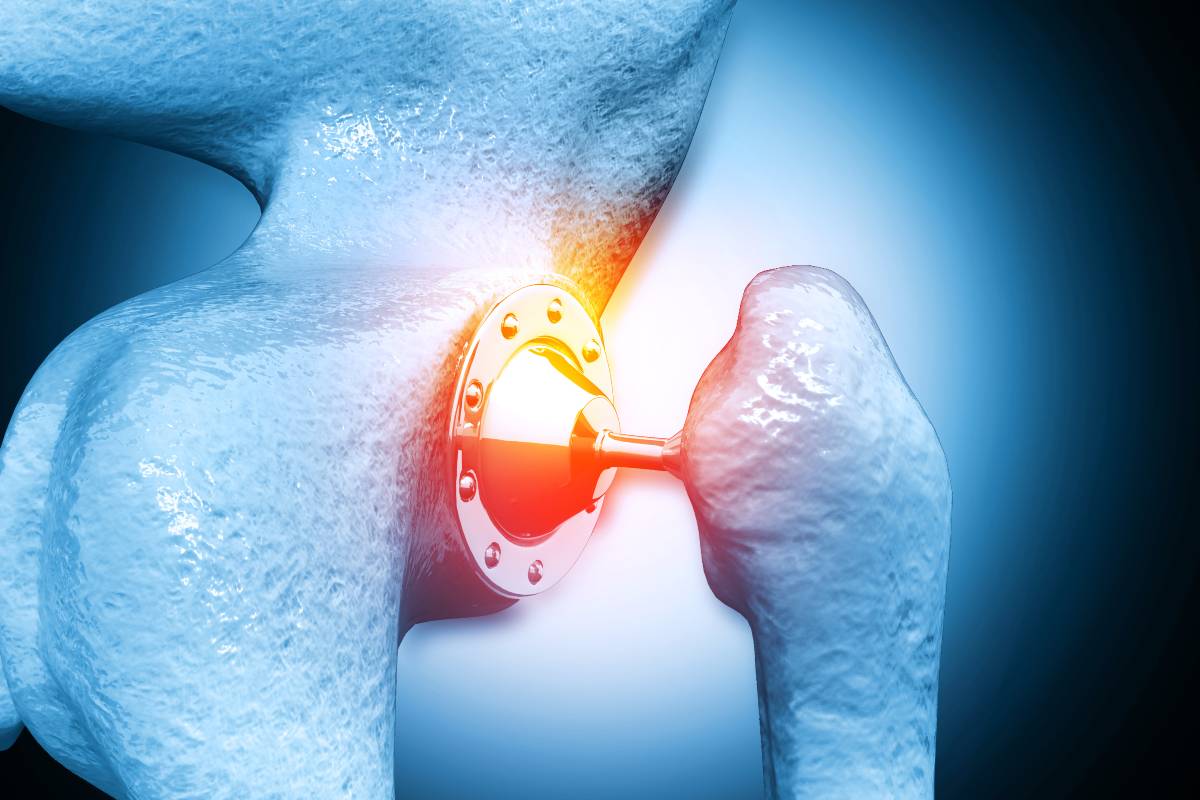
Postoperative pain management is a crucial component of recovery following implant surgeries, significantly impacting patient comfort, satisfaction, a
Read More →
Perioperative hypotension, a common complication during non-cardiac surgery, can significantly impact patient outcomes by increasing the risk of organ
Read More →
Dental procedures, ranging from simple cleanings to complex surgeries, often require the use of anesthesia to ensure patient comfort and cooperation.
Read More →
Point-of-care testing (POCT) represents a critical innovation in healthcare, enabling rapid diagnostic assessments right at the patient’s side, thus s
Read More →