
Use of Nasal Mask in Anesthesia
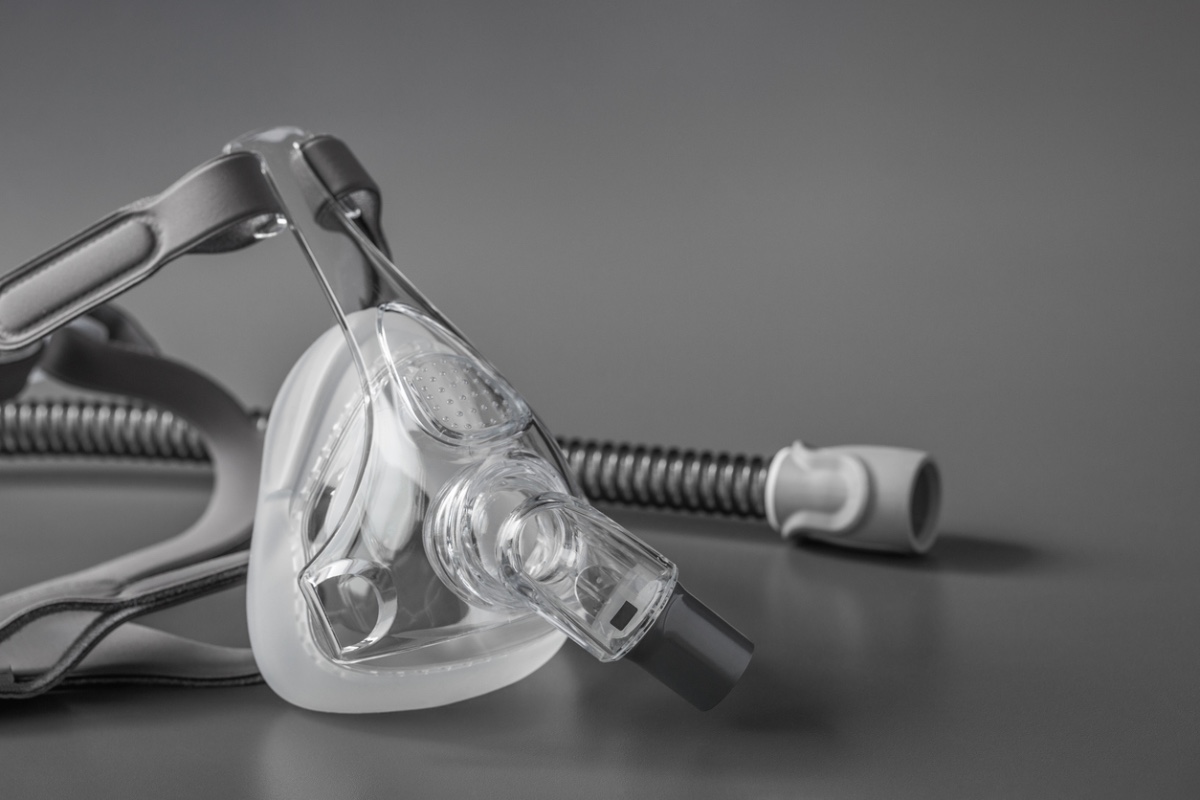
During anesthesia, a nasal mask provides a noninvasive interface for oxygen delivery and ventilatory support while preserving oral access. Unlike the conventional facemask, which covers both the nose and mouth, the nasal mask fits solely over the nose. As a result, the nasal mask is a valuable tool for maintaining oxygenation in anesthesia while allowing greater flexibility during selected procedures (1).
As a route for oxygen delivery, the nasal mask is used to increase the fraction of inspired oxygen as well as oxygen reserves before anesthesia induction. In some applications, the device can also generate a degree of positive airway pressure, helping to maintain upper airway patency and reduce airway collapse. Nasal oxygen delivery may also support apneic oxygenation and delay desaturation during airway interventions (2).
Nasal masks are used in a variety of perioperative settings. During monitored anesthesia care and procedural sedation, they provide supplemental oxygen while allowing unrestricted access to the mouth for endoscopic, dental, and maxillofacial procedures. Nasal masks are often well tolerated by awake or lightly sedated patients and can serve as an interface for noninvasive ventilation in selected cases (1). The expansion of high-flow nasal oxygen systems also benefits from the nasal mask, delivering warmed and humidified oxygen at high flow rates to provide respiratory support while reducing heat loss and discomfort (3).
Despite its advantages, the nasal mask has limitations. Its effectiveness is reduced in patients with significant nasal obstruction, facial trauma, or anatomical abnormalities that interfere with proper fit. Mouth breathing can diminish the efficiency of oxygen delivery, and prolonged use of positive-pressure nasal ventilation may result in discomfort, dryness, or air leakage. Careful patient selection and monitoring therefore remain essential to ensure safe and effective use (4).
In summary, the nasal mask plays a versatile role in contemporary anesthesia practice. By facilitating oxygen delivery, supporting ventilation, and allowing procedural access to the oral cavity, it offers important advantages in a range of perioperative settings. Continued advances in oxygenation technology and airway management techniques are likely to further expand its clinical applications and reinforce its value in modern anesthetic care (5).
References
- De Jong A, Myatra SN, Roca O, Jaber S. How to improve intubation in the intensive care unit. Update on knowledge and devices. Intensive Care Med. 2022;48(10):1287-1298. doi:10.1007/s00134-022-06849-0
- Fayed M, Maroun W, Patel N, Galusca D. Apneic Oxygenation: A Summarized Review and Stepwise Approach. Cureus. 2023;15(12):e50916. Published 2023 Dec 21. doi:10.7759/cureus.50916
- Song JL, Sun Y, Shi YB, Liu XY, Su ZB. Comparison of the effectiveness of high-flow nasal oxygen vs. standard facemask oxygenation for pre- and apneic oxygenation during anesthesia induction: a systematic review and meta-analysis. BMC Anesthesiol. 2022;22(1):100. Published 2022 Apr 6. doi:10.1186/s12871-022-01615-7
- Ayenew AD, Melkie TB, Arefayne NR, Degu ZA, Admassie BM. Airway management and ventilation strategy among obese adult patients: a comprehensive review and analysis. Ann Med Surg (Lond). 2024;87(2):800-808. Published 2024 Dec 19. doi:10.1097/MS9.0000000000002788
- Wang S, Ji J, Xiong C, et al. Comparing oxygen therapies for hypoxemia prevention during gastrointestinal endoscopy under procedural sedation: A systematic review and network meta-analysis. J Clin Anesth. 2024;98:111586. doi:10.1016/j.jclinane.2024.111586